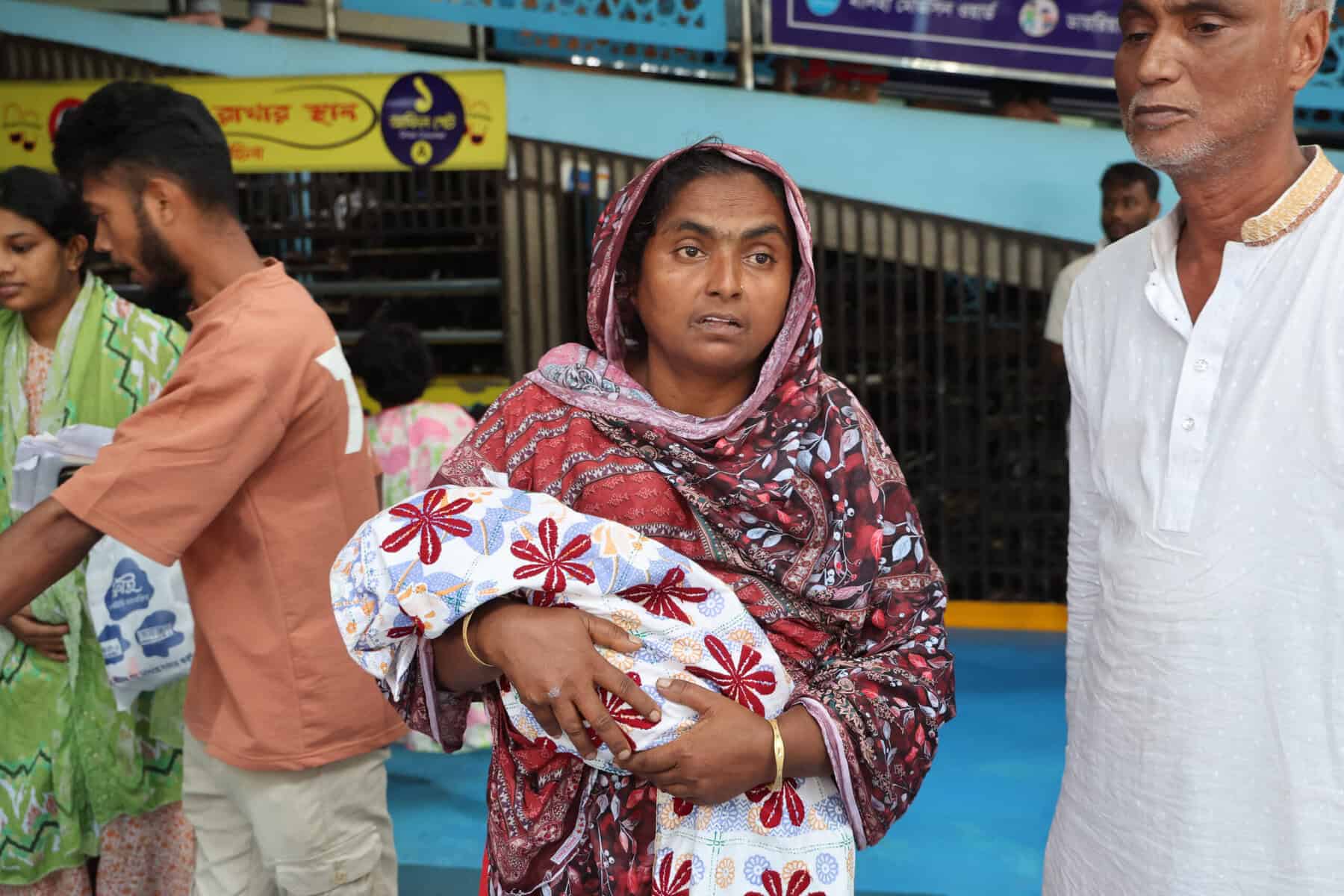

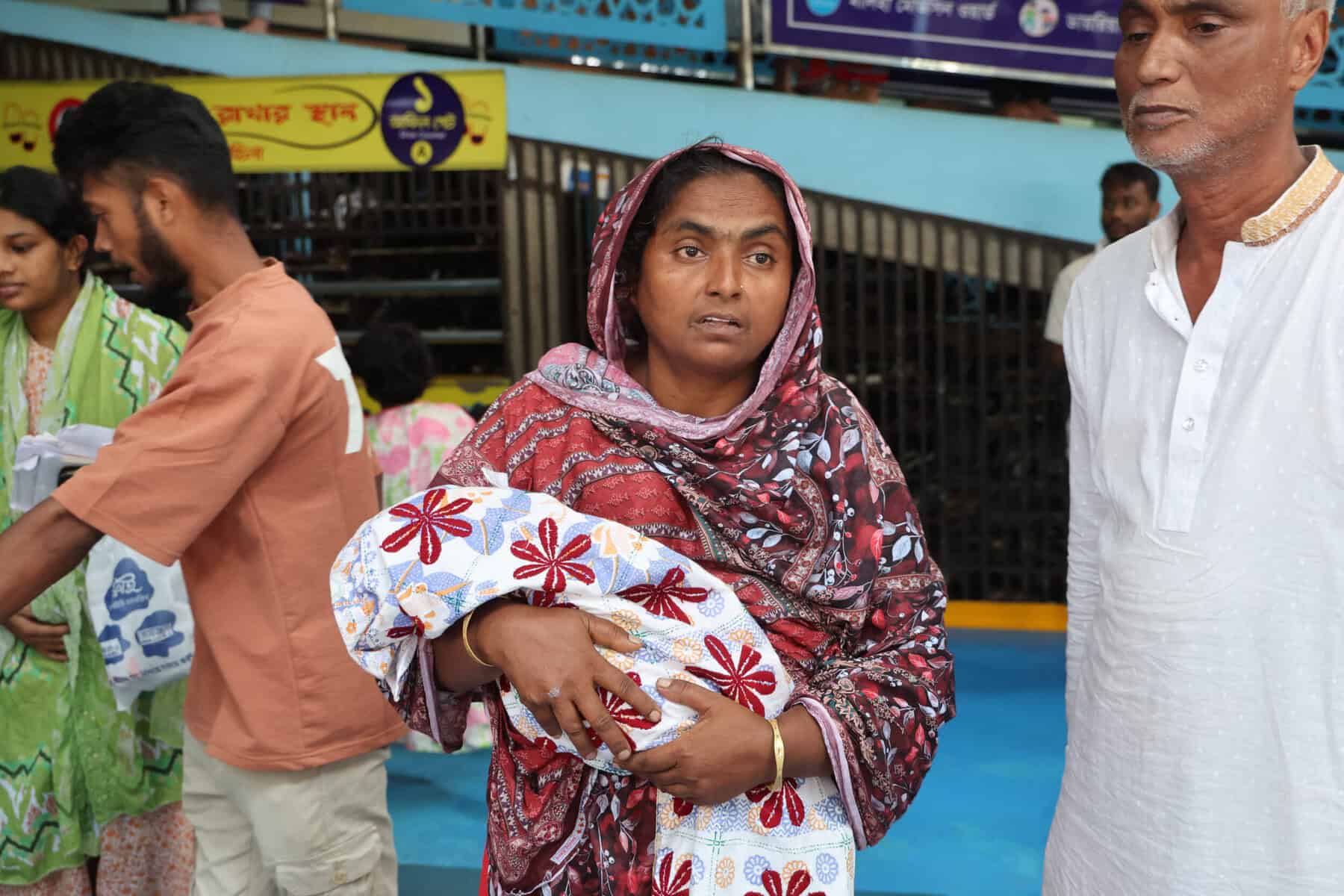
Relatives described scenes of confusion and fear after newborn babies in a post-delivery ward reportedly became ill one after another before dying.
At least six newborn babies died in the same hospital ward in Bangladesh within hours of each other on Wednesday, said health officials, who launched an investigation.
The newborns, aged between one and three days, were in the post-delivery ward of Ad-Din Hospital, a private facility in the capital Dhaka.
“An investigation is underway, and we need some time to determine the cause of the deaths of the newborns,” Nahida Yasmin, a director at the hospital, told reporters.
Concerns raised over ventilation failure
Prabhat Chandra Biswas, head of the government’s health department, noted that air conditioning in the ward was not working in the early hours on Wednesday, as temperatures in Dhaka were around 32C.
“There is no alternative ventilation once the air conditioner is turned off,” he told reporters, saying the atmosphere inside was suffocating.
One baby fell sick and was taken to an intensive care unit, but was returned to the ward an hour later.
Around dawn, five other babies were feeling unwell. “All were put on ventilators but could not be saved,” Yasmin said.
Health department spokesman Zahid Raihan said initial information did not suggest any mistreatment as the cause of the deaths.
“The Criminal Investigation Department is… testing whether there were any technical faults in the air conditioner or any electrical equipment,” he said.
Families mourn as investigation continues
Janu, a 55-year-old woman whose granddaughter was among the six dead, sat at the entrance of the hospital holding a tiny body wrapped in a shroud.
“My granddaughter was perfectly okay untill last night,” she told AFP.
The babies “turned blue one after another… We took her to the ICU and later received her body,” Janu said.
Others families at the hospital appeared nervous, with some saying they were considering transferring their children elsewhere.
“My grandson has been in the ICU for 19 days in a critical condition — I can’t understand what I should do,” Mohammed Harun told AFP.