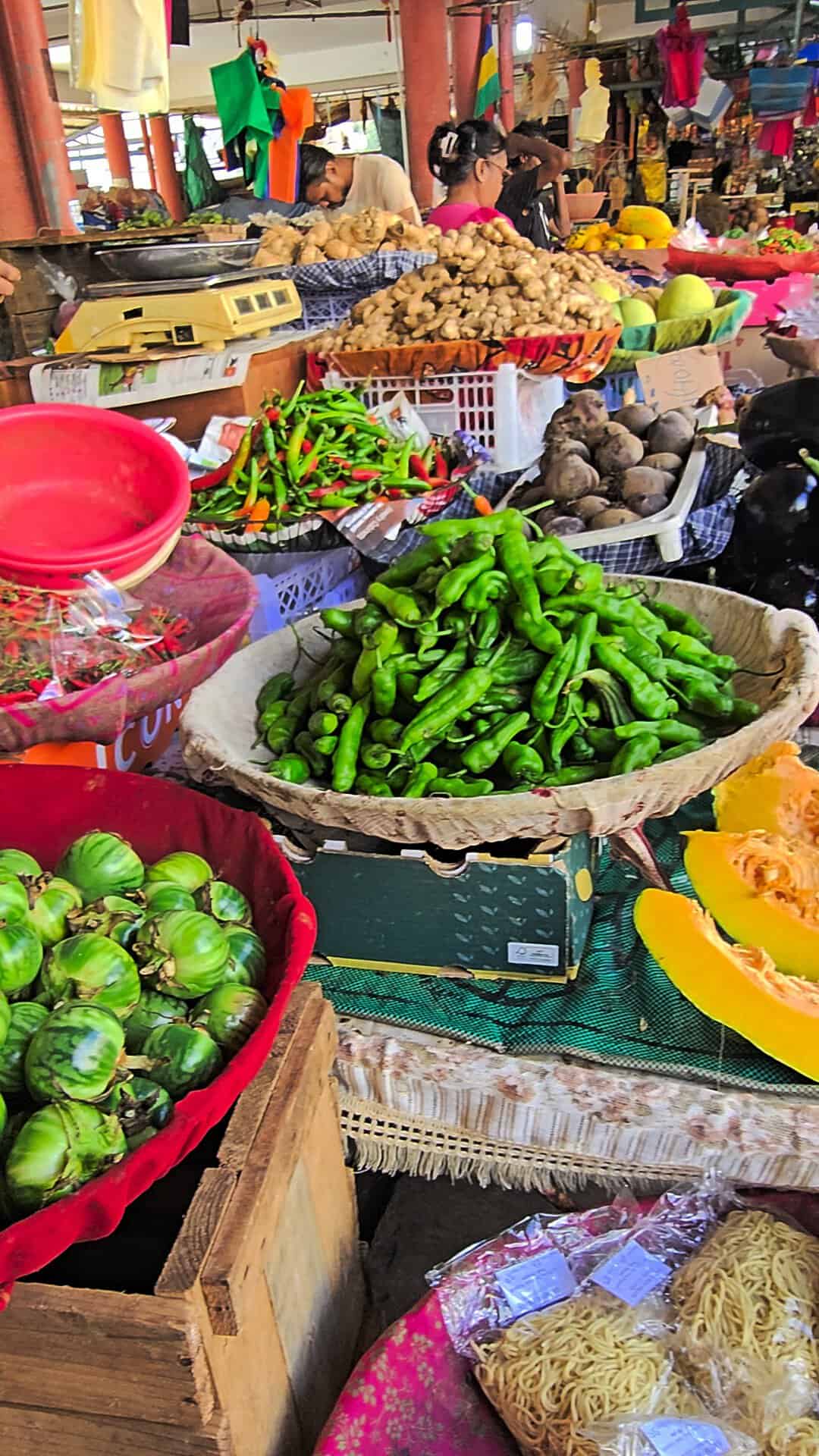

One food tour through Mauritius completely changed how I see travel, culture and island life forever.
I’m often iffy about trying new food when I travel. I am that person who carries a tiny emergency bag of stomach medication everywhere because my relationship with unfamiliar dishes has always been slightly complicated.
New spices, strange sauces and mystery street meals usually make me nervous. But somehow Mauritius completely changed that.
In fact, I became so excited for our street food experience that I willingly skipped breakfast just to leave enough room for everything waiting ahead. For someone like me, that alone says a lot.
The experience already felt thoughtful before we even took our first bite. The very first thing organisers asked us about was allergies and dietary restrictions to ensure every guest was fully catered for. It instantly made the experience feel warm, personal and safe.
Then came our Taste Buddies guide, bursting with energy and knowledge about Mauritius, its history and the stories behind every single dish we were about to try. This was not simply about eating. It was about understanding the island through flavour.
And honestly, there may be no better way to discover Mauritius.
Street food lets you see the side of the island tourists rarely experience. You are not hidden away inside a luxury resort or fancy restaurant. Instead, you are walking through buzzing streets, hearing Creole conversations, greeting locals and watching everyday life unfold around you.
I have actually managed to get away with people thinking I am Mauritian during this trip. More than once I have been greeted with a friendly “bonjour” before people realise I am visiting. But despite blending in visually, I have still been craving a deeper understanding of the people themselves.
Food became that connection.
Mauritius, much like South Africa, is a true rainbow nation. Indian, Creole, Chinese, white and Muslim communities all coexist here, creating one giant melting pot of culture. You can literally go from eating bok choy to biting into a spicy samoosa all in one meal.
That mix is exactly what makes the food scene so exciting.
Our first stop immediately set the tone. A vendor stood calmly chopping fresh coconuts open with a machete before handing them to us with straws poking through the top. The coconut water was icy cold, slightly sweet, slightly salty and unbelievably refreshing in the island heat.
Afterwards, the coconut was sliced open again so we could scoop out the soft pulp inside.
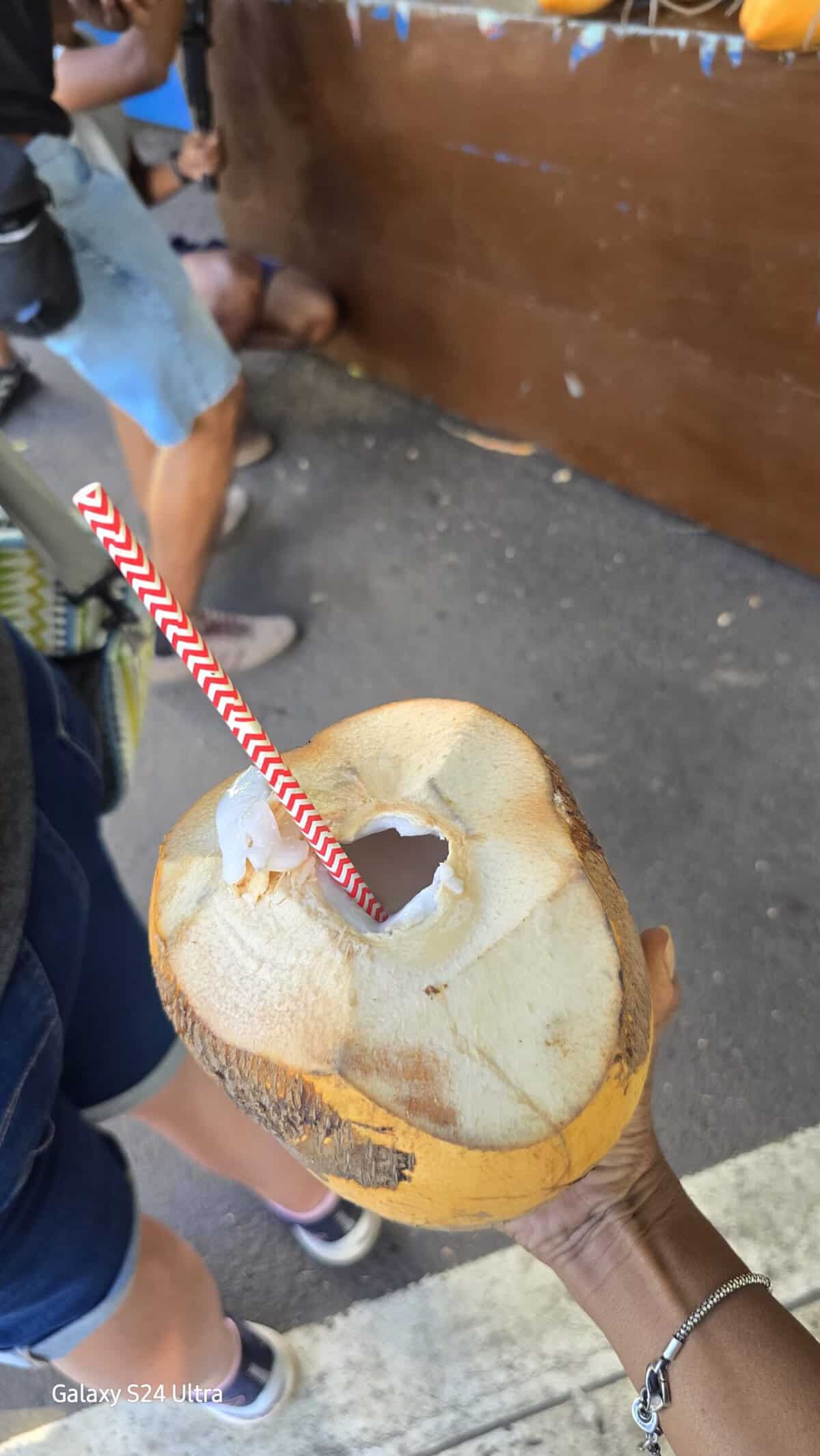
A true island drink.
Then came one of my favourite surprises of the day, Mingwi Mongwak. The dish is oysters fried in red wine with noodles, garlic sauce and chilli added to taste.
I thoroughly enjoyed it. It was quick, comforting and packed with flavour. Served in a cup with that little touch of chilli, it strangely reminded me of Durban street food culture back home.
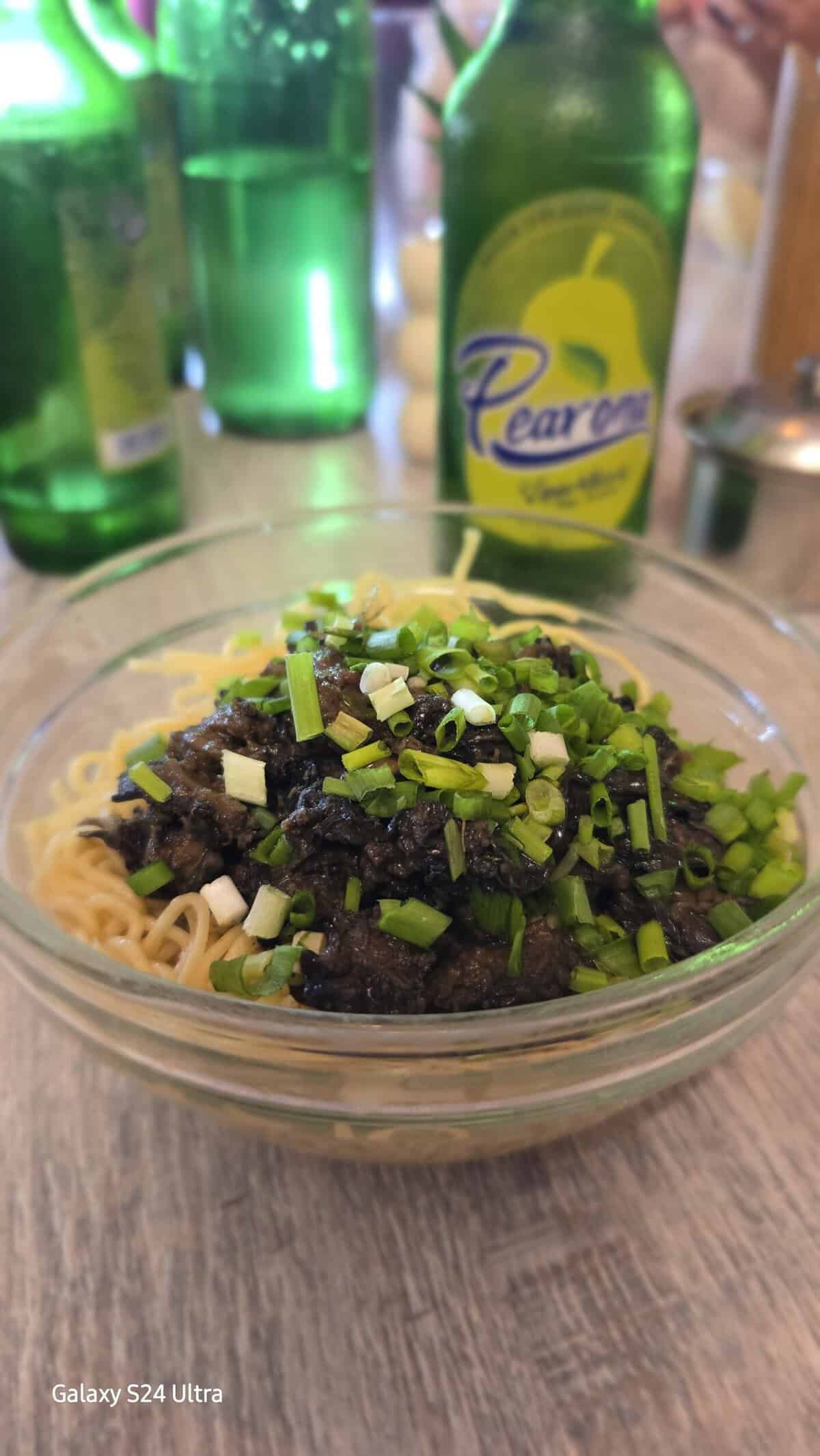
Warm, spicy and full of personality.
Every stop introduced us to something different. Crispy snacks fresh out of bubbling oil, buttery rotis wrapped around rich fillings and sweet treats that somehow tasted nostalgic even though I had never eaten them before.
Lunch arrived as a generous serving of deep fried fish, chips and salad featuring one of the island’s most popular fish choices. Fresh, crispy and simple, it felt like the perfect Mauritian comfort meal after hours of walking and tasting our way through busy streets.
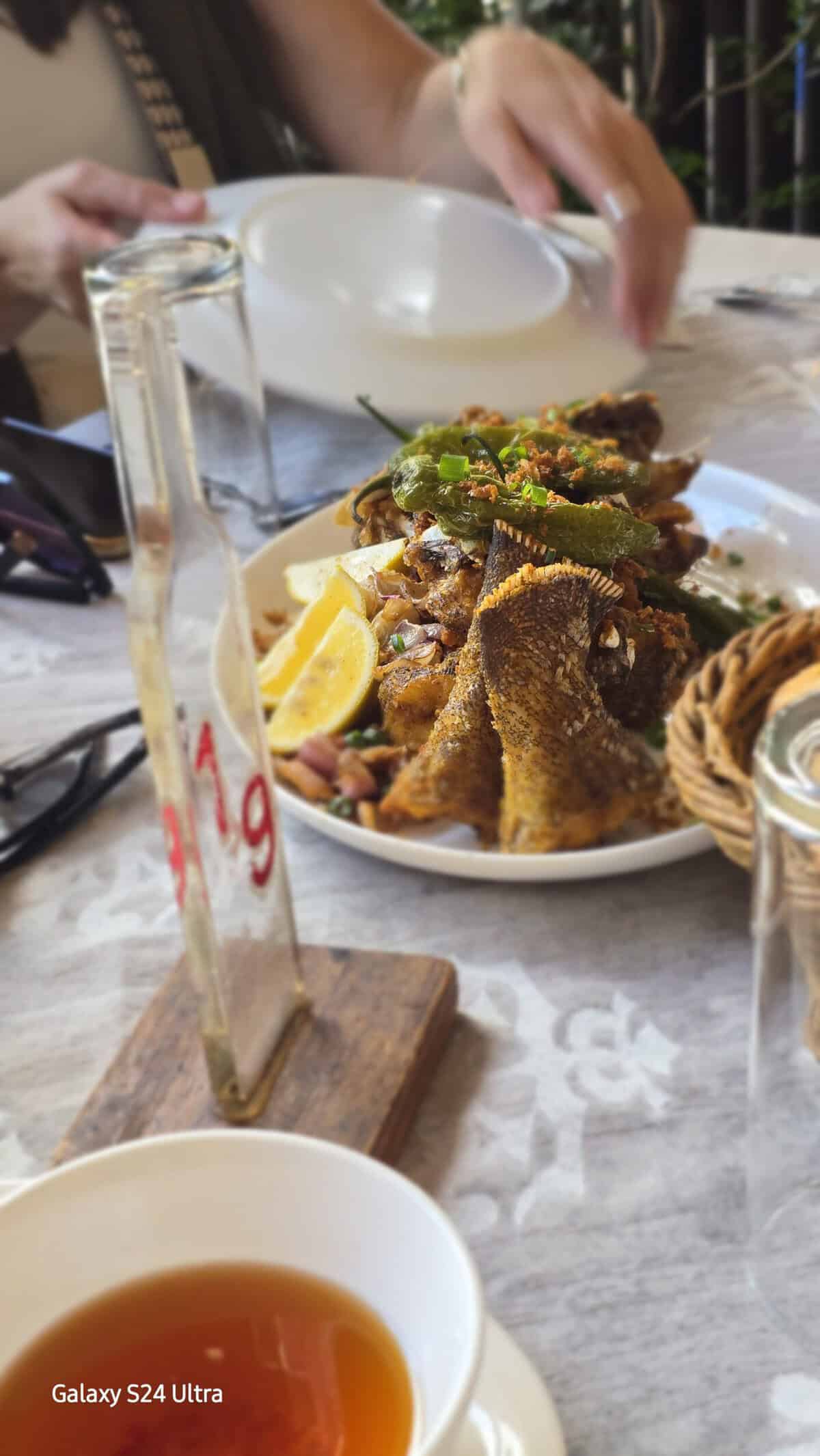
What makes Mauritius so fascinating though is how deeply multicultural the island truly is and that history appears in every single bite.
Unlike many countries, Mauritius originally had no indigenous population. The island has been shaped entirely by centuries of migration, colonisation and forced labour.
The Dutch first claimed the island before the French and British established settlements, leaving behind influences still visible today through language, architecture and tradition.
During French colonial rule, enslaved people from mainland Africa and Madagascar were brought to work on plantations, forming the roots of today’s vibrant Creole community.
After slavery was abolished, the British brought indentured labourers from India to work in sugarcane fields, which is why Indo-Mauritians now make up the majority population.
Chinese immigrants later arrived as traders and merchants, building the Sino-Mauritian community that also helped shape the island’s identity.
And somehow all of that history comes together beautifully through food.
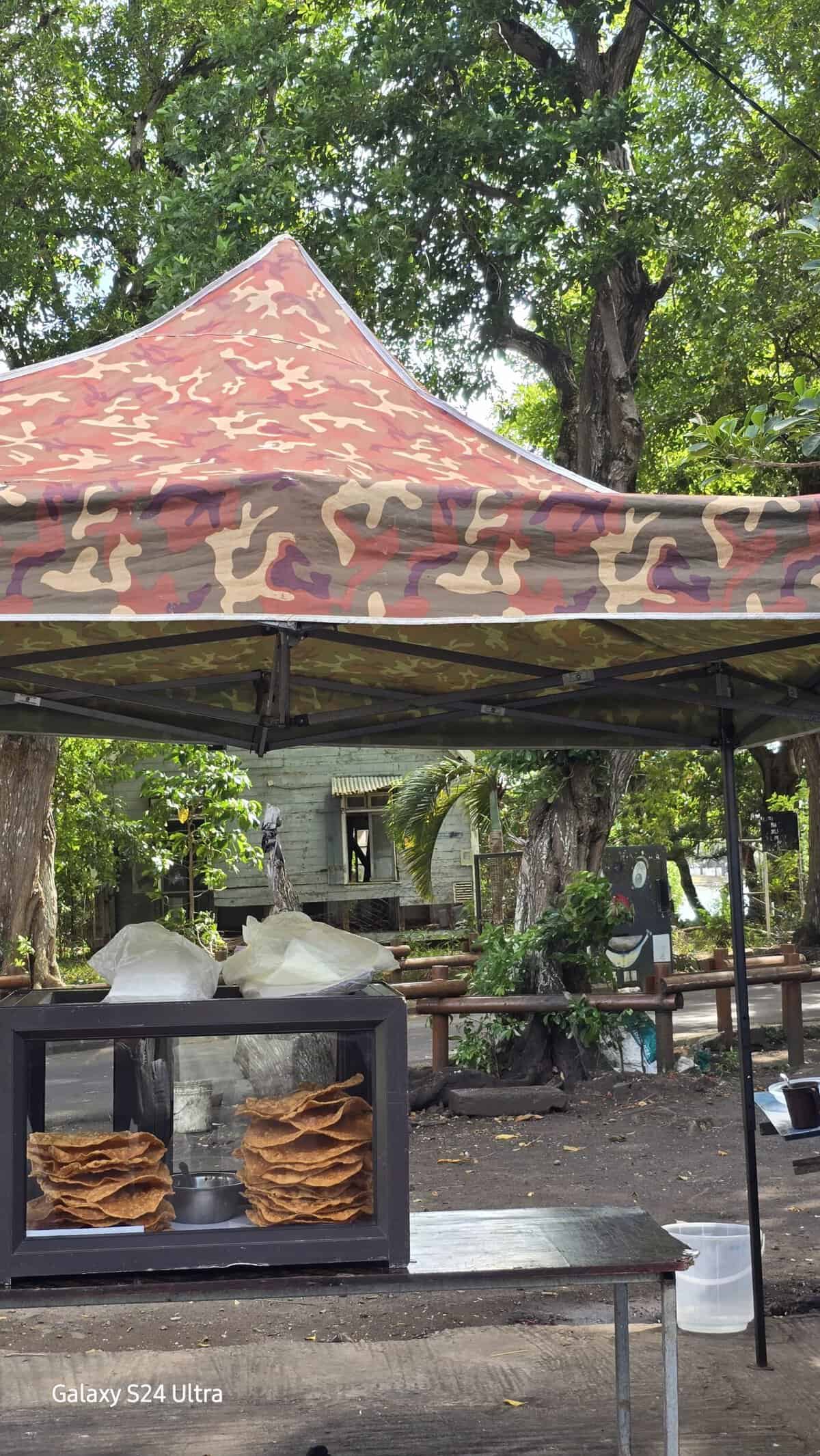
One bite can carry Indian spices, Chinese cooking techniques, African soul and European influence all at once. Mauritius feels like multiple worlds blending together on one island and nowhere is that more obvious than on its streets.
Taste Buddies describes itself as the ultimate guide to exploring the mesmerising flavours of Mauritius through immersive culinary tours and honestly, that feels accurate.
Their tours stretch across places like Port Louis, Chinatown, Grand Baie, Mahébourg and Flacq, each offering a different glimpse into Mauritian life and flavour.
But beyond the food, what stayed with me most was the feeling.
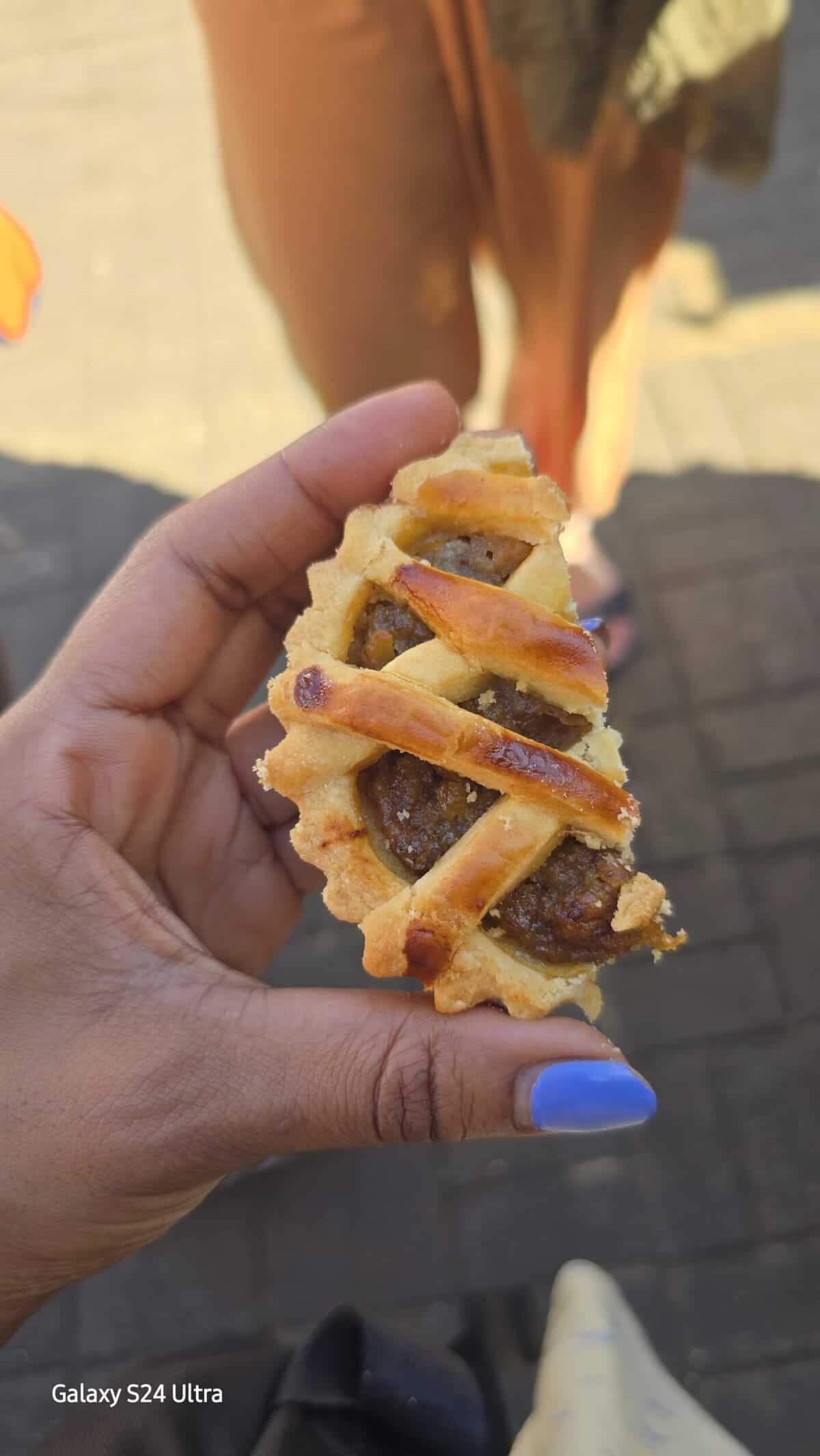
The aunties proudly serving homemade dishes. The sound of sega music floating through crowded streets. The laughter between locals. The organised chaos of food carts and markets.
Tourists may come to Mauritius for beaches and blue water, but the street food scene reveals the island’s real soul.
And somewhere between the coconut cart, Mingwi Mongwak and my overflowing plate of fried fish and chips, I realised my emergency stomach medication had remained untouched at the bottom of my bag the entire day.
The Citizen was invited to Mauritius by the Mauritius Tourism Promotion Authority.